The TON Network: The Future of Blockchain Scaling?
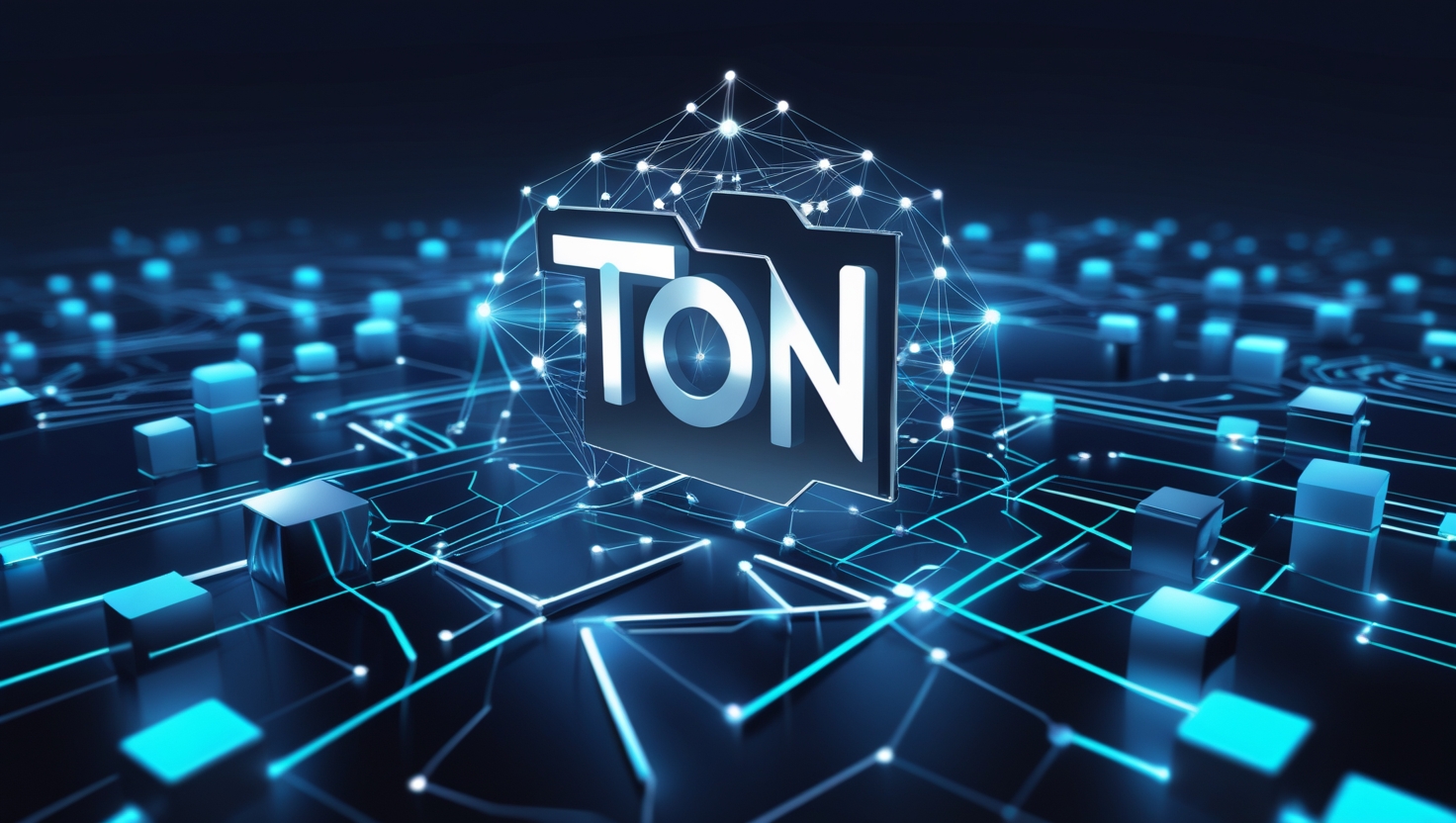
The TON (The Open Network) blockchain is emerging as one of the most promising projects in the crypto space, originally developed by Telegram before being taken over by an independent community. With its high-speed transactions, scalability, and seamless integration with Telegram, TON is positioning itself as a major player in the Web3 ecosystem.
What is the TON Network?
TON is a decentralized Layer 1 blockchain designed to support fast and secure transactions, decentralized applications (dApps), and scalable smart contracts. It was initially created by Telegram in 2018 but was later handed over to open-source developers due to regulatory challenges.
Key Features of TON:
- Massive Scalability – Uses a multi-chain architecture to process millions of transactions per second.
- Seamless Telegram Integration – Enables crypto payments, NFT transfers, and DeFi directly within Telegram.
- Low Fees & High Speed – Sub-second transactions with minimal gas fees.
- TON Smart Contracts – Supports complex dApps and smart contract functionality.
- Decentralized Storage & Services – Provides Web3 solutions like TON Storage and TON DNS.
How Does the TON Network Work?
TON uses a unique infinite sharding paradigm, allowing the blockchain to split and merge dynamically based on network demand. This ensures efficient resource use and scalability without bottlenecks.
Key components of the TON ecosystem:
- TON Blockchain – The core layer for smart contracts and transactions.
- TON Storage – A decentralized file storage system similar to IPFS.
- TON Payments – Lightning-fast transactions with built-in micropayment channels.
- TON DNS – A user-friendly naming system that replaces complex wallet addresses.
- TON Services – A framework for building decentralized applications (dApps).
Use Cases of TON
1. Payments and Transactions
TON enables near-instant crypto payments, making it ideal for e-commerce, remittances, and microtransactions.
2. Decentralized Finance (DeFi)
With smart contract capabilities, TON supports decentralized exchanges (DEXs), lending platforms, and yield farming.
3. NFTs & Digital Collectibles
TON hosts NFT marketplaces where users can create, buy, and sell digital assets with minimal fees.
4. Gaming and Metaverse
Game developers use TON to integrate blockchain-powered economies into games and virtual worlds.
5. Web3 Services
TON Storage and DNS provide decentralized hosting and domain services, reducing reliance on centralized servers.
Why is TON Gaining Popularity?
- Telegram’s Influence – With over 900 million users, Telegram provides TON with a massive potential user base.
- High-Speed Transactions – TON processes transactions faster than many competitors like Ethereum.
- Scalability Without Compromise – Its dynamic sharding makes it one of the most scalable blockchains.
- Low Costs – Near-zero transaction fees attract developers and users.
- Active Development – The open-source community continuously enhances the network.
Challenges and Risks
- Regulatory Concerns – Ongoing scrutiny from governments could impact its adoption.
- Competition – Faces rivalry from other scalable blockchains like Solana and Avalanche.
- Adoption & Ecosystem Growth – Needs more dApps and developers to maximize its potential.
Conclusion
TON Network has the potential to become a leading blockchain for payments, dApps, and Web3 services, thanks to its speed, scalability, and Telegram integration. While challenges remain, its growing ecosystem and strong community support make it a project to watch in the blockchain space.